

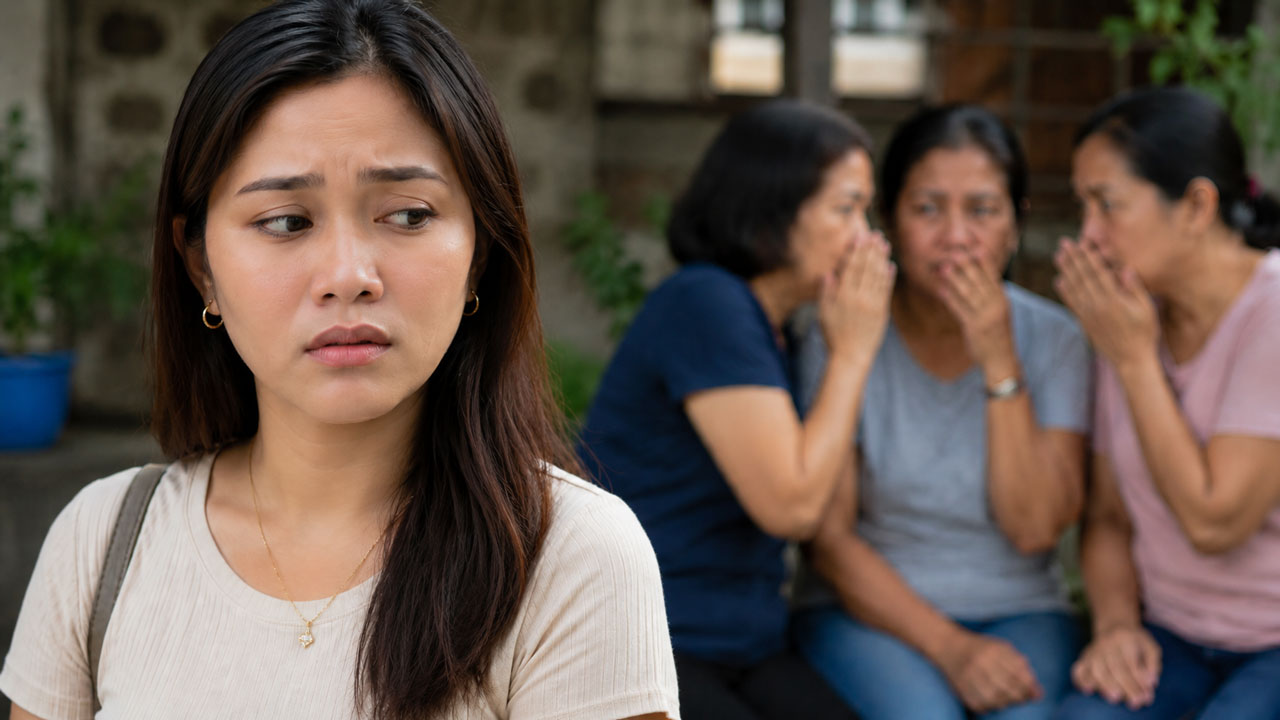
“Tumaba ka, anak!” (“You gained weight!”)
“Bahala na, okay lang ’yan.” (“Leave it be, it’s okay anyway.”)
“Pabigyan mo na, pinsan mo siya e.” (“Just let them have it, they’re your cousin.”)
Many Filipinos have heard these lines at family gatherings, school reunions, workplace conversations, or even casual catch-ups. Often, they are said lightly, jokingly, or with the belief that they are harmless. Sometimes, they even come from values that are important to Filipino culture: closeness, resilience, respect for family, and the desire to maintain peace.
Culture can be both beautiful and complicated. Some habits that are normalized in families or communities can also become harmful when they shame, silence, invalidate, or pressure people into ignoring their own needs.
Filipino psychology recognizes the importance of values such as kapwa, or shared identity, and the way Filipinos relate deeply through family, community, and interpersonal connection. However, when connection becomes control, concern becomes criticism, or harmony becomes self-erasure, it may begin to affect our mental health and relationships.
Below are some Filipino traits and behaviors that can become toxic—and healthier ways to respond to them.
1. Crab Mentality
Crab mentality happens when a person pulls others down because they feel threatened by someone else’s success. Instead of celebrating another person’s growth, they compare, criticize, sabotage, or minimize it.
It can sound like:
“Ang yabang na niya ngayon.” (“She thinks she’s better than everyone now.”)
“Hindi naman siya magaling, sinuwerte lang.” (“They’re not really good; they just got lucky.”)
This can become harmful when success is framed as something negative or undesirable. It can make people afraid to grow, try, apply, earn more, move forward, or be proud of themselves.
How can we respond better?
When someone directs these comments at you, respond calmly but firmly. You might say, “I’m happy with what I’m doing right now.” If the comment feels dismissive or hurtful, you can say, “That doesn’t feel supportive to hear.” You can also choose not to engage and simply redirect the conversation. Setting small boundaries helps protect your confidence while keeping the interaction respectful.
2. Body-Shaming
In many Filipino families, comments about weight, skin color, acne, aging, or physical appearance are treated as normal conversation starters.
“Tumaba ka.” (“You gained weight.”)
“Ang payat mo naman masyado.” (“You’re too thin.”)
“Bakit ang dami mong pimples?” (“Why do you have so many pimples?”)
Even when said casually, these comments can hurt. They can trigger shame, insecurity, disordered eating patterns, social anxiety, or avoidance of family gatherings. A person’s body is not small talk.
This becomes harmful when physical appearance is commented on without consent, sensitivity, or genuine concern. If there is a real concern about someone’s health, it should be expressed privately, respectfully, and without insult.
A simple rule helps: If they cannot change it in a few seconds, do not comment on it casually.
How can we respond better?
When someone comments on your body, you can set a boundary without being rude. You might say, “Let’s not comment on people’s weight.” If you want to keep it light but clear, you can say, “I know you may not mean harm, but comments like that can be uncomfortable.” When responding to others, choose greetings that focus on connection instead of appearance, such as “It’s so nice to see you” or “How have you been?”
3. Pakikisama at the Cost of the Self
Pakikisama is often understood as getting along with others, maintaining smooth relationships, and avoiding unnecessary conflict. In many situations, it helps families, workplaces, and communities function with cooperation and respect.
However, pakikisama becomes unhealthy when a person is expected to constantly suppress their own needs, values, or boundaries just to keep the peace.
It can look like:
Agreeing to a family decision even when it deeply affects your life.
Saying yes to responsibilities you can no longer handle.
Staying silent because speaking up may be seen as disrespectful.
Going along with the group even when something feels wrong.
This becomes harmful when harmony is preserved only because one person keeps sacrificing themselves.
A healthier version of pakikisama includes honesty and respect. You can value relationships while still having a voice. Start with small acts of assertiveness.
How can we respond better?
When you feel pressured to agree for the sake of pakikisama, pause before saying yes. You can say, “Let me think about it first,” or “I’ll let you know my answer later.” If the issue is important, be direct but respectful: “I value our relationship, so I’d like to be honest with what I can and cannot do.” It also helps to share where you’re coming from. Healthy pakikisama should allow both connection and honesty.
4. Struggling to Set Boundaries with Family
Filipino culture places strong value on family loyalty. Many of us are taught to forgive, give way, help relatives, and avoid conflict because “pamilya pa rin ’yan.”
But family loyalty becomes harmful when it enables manipulation, repeated disrespect, financial exploitation, emotional abuse, or the refusal to take accountability.
It can look like:
Lending money to a relative who never pays you back.
Allowing a family member to insult you because they are older.
Being guilt-tripped for setting limits.
Being told you are selfish for protecting your peace.
Toxic behavior may involve manipulation, blame, judgment, lying, and rarely taking responsibility. Helpful coping strategies include setting boundaries, limiting contact, and refusing to engage in harmful interactions.
Setting boundaries does not always mean cutting people off. Sometimes, it means being clear about what you can and cannot give.
“I cannot lend money right now.”
“I am not comfortable discussing this.”
“I will leave the conversation if I’m being shouted at.”
“I want a relationship with you, but not one where I am constantly hurt.”
Yes, family matters. But your well-being matters too.
How can we respond better?
When faced with toxic family behavior, start by naming your limit clearly. You might say, “I care about you, but I cannot keep lending money,” or “I’m willing to talk, but not if I’m being insulted.” If guilt is used against you, remind yourself that boundaries are not disrespectful. They are a way of protecting your emotional, financial, and mental well-being. If the situation becomes repeatedly harmful, it may be necessary to limit contact and seek support from trusted friends, relatives, or a mental health professional.
5. Tsismis and the Normalization of Rumors
Talking about other people is common in many communities. Sometimes, people share updates out of concern. But tsismis becomes harmful when it spreads unverified information, humiliates someone, or turns someone’s private struggle into entertainment.
It can look like:
Repeating a rumor without knowing if it is true.
Sharing someone’s personal problem for attention.
Listening to “chika” that damages another person’s reputation.
Making assumptions about someone’s marriage, finances, parenting, work, or mental health.
Tsismis can damage trust and relationships. It can isolate people who are already struggling and make them feel unsafe in their own community.
How can we respond better?
When someone starts sharing gossip, you can avoid encouraging it. You might say, “I’m not sure if that’s true, so maybe we shouldn’t spread it,” or “That sounds personal; maybe it’s better if we don’t talk about it.” You can also redirect the conversation by changing the topic. If the information involves possible harm or someone needing help, respond with concern instead of curiosity: “Maybe we should check on them directly rather than talk about them.”
6. Denying Mental Health Concerns
Many Filipinos still hear mental health struggles dismissed as laziness, weakness, lack of faith, overreacting, or attention-seeking.
It can sound like:
“Ang OA naman” (“They’re over-reacting”)
“Kulang ka lang sa dasal.” (“You just need to pray more.”)
“Nag-iinarte lang siya.” (“They’re just being dramatic.”)
While faith, family, and resilience can be meaningful sources of support, they should not be used to invalidate someone’s distress. Persistent sadness, panic, loss of motivation, irritability, trauma responses, self-harm thoughts, or changes in sleep and appetite may be signs that someone needs help—not judgment.
This becomes especially dangerous when a person is already asking for support and is repeatedly dismissed.
How can we respond better?
When someone opens up about their mental health, avoid minimizing or immediately giving advice. Start by listening. You might say, “Thank you for telling me,” or “That sounds really difficult.” If you are concerned, gently encourage support: “Would you be open to speaking with a mental health professional?” If someone dismisses your own mental health concerns, you can say, “I understand you may see it differently, but this is something I’m really struggling with.” Taking mental health seriously can make someone feel less alone and more willing to seek help.
Breaking the Cycle
It is easy to identify these traits in other people. It is harder, but more important, to recognize when we have also participated in them.
Maybe we have commented on someone’s body without thinking.
Maybe we have stayed quiet for pakikisama even when we were already hurting.
Maybe we have tolerated toxic behavior because we were taught that family should always come first.
Breaking these patterns does not mean rejecting Filipino culture. It means choosing the healthier parts of it: compassion, respect, community, resilience, and care—without shame, control, or silence.
Culture can evolve. Families can learn. Relationships can become safer. And we can begin with the way we speak, respond, and set boundaries.
If this article made you think of someone—or even yourself—it may be a good time to unpack these patterns with support. Speaking with a mental health professional can help you understand your experiences, set healthier boundaries, and build relationships that feel more respectful and safe.